
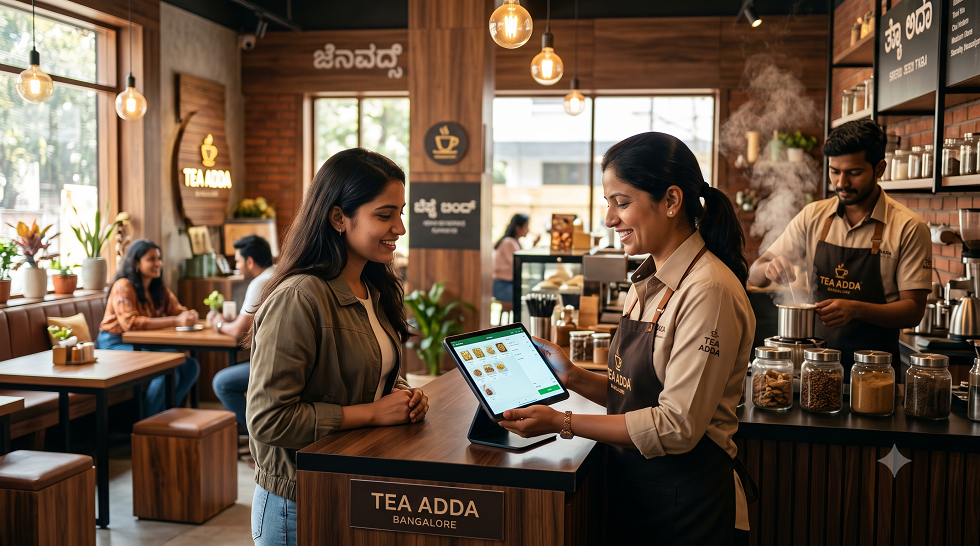
The Indian retail and quick-service restaurant (QSR) landscape is undergoing an unprecedented digital evolution. Across tier-1 metros and fast-growing tier-2 hubs, franchise businesses are shifting away from traditional paper registers and spreadsheet management. Today, dynamic software powered by Artificial Intelligence (AI) handles everything from morning prep to late-night inventory audits.
For modern entrepreneurs and franchise investors, technology is no longer an optional luxury—it is the foundational engine driving profitability and scale. Indian consumers demand speed, consistency, and personalized service every single time they visit an outlet. Implementing AI in franchise business operations allows multi-unit brands and single-outlet operators to meet these expectations without driving up labor costs or operational friction.
From neighborhood beverage outlets to widespread retail chains, automated solutions are streamlining day-to-day management. This shift bridges the gap between headquarters strategy and localized outlet execution, helping brands grow faster, operate leaner, and maintain uniform quality across regions.
Why AI Is Becoming Essential for Modern Franchise Businesses
India’s franchise sector has expanded rapidly, fueled by rising middle-class consumption, urban urbanization, and widespread digital payment adoption. However, rapid growth brings complex operational bottlenecks. Managing multiple locations requires precise coordination across supply chains, staffing, quality control, and customer relationship management.
Traditional management models struggle under this weight. Human errors in stock ordering lead to stockouts or expensive wastage. Static work schedules cause understaffing during rush hours and idle labor during lulls. This is where AI-powered franchise operations create a sustainable competitive edge.
| Traditional Operations | AI-Driven Franchise System |
|---|---|
| Manual stock logs | Automated stock alerts & auto-reorder |
| Fixed employee shifts | Demand-based dynamic rostering |
| Generic mass discounts | Personalized loyalty triggers |
| Delayed weekly reports | Real-time multi-store dashboards |
By transitioning to intelligent management systems, franchise networks achieve:
- Centralized Visibility: Corporate headquarters and individual unit owners view live financial and operational telemetry simultaneously.
- Consistent Quality: Automated workflows ensure recipes, service times, and brand standards remain uniform across every city.
- Proactive Problem Solving: Predictive algorithms identify declining sales or inventory anomalies before they impact the bottom line.
How AI Improves Daily Franchise Operations
Integrating smart algorithms into daily workflows fundamentally transforms how store managers and team members spend their time. Rather than crunching numbers manually, employees focus on product quality and customer satisfaction.
1. Smart Inventory Management
Maintaining stock levels is a delicate balance. Carrying excess stock ties up working capital, while stockouts result in lost revenue. Smart inventory software tracks raw material usage against sales in real time, alerting managers when ingredients drop below safety thresholds and automatically triggering supplier purchase orders.
2. Accurate Sales Forecasting
Historical sales data alone cannot capture shifting market dynamics. Advanced forecasting tools evaluate past sales patterns alongside local weather forecasts, upcoming holidays, traffic trends, and neighborhood events to predict hourly and daily sales with striking precision.
3. Billing Automation and Smart POS
Modern Point of Sale (POS) systems do far more than process payments. They automatically record order variations, sync with kitchen display systems (KDS), track table turn times, and instantly reconcile digital payment channels like UPI, cards, and mobile wallets.
4. Automated Customer Support
Natural Language Processing (NLP) chatbots handle customer queries across web, WhatsApp, and social channels. They process delivery status checks, handle order modifications, gather feedback, and resolve basic complaints around the clock without human intervention.
5. Dynamic Staff Scheduling
Overstaffing inflates operational expenditure, while understaffing leads to long customer wait times and degraded service. Predictive scheduling algorithms cross-reference expected customer footfalls with staff availability, automatically generating optimal shift rosters.
6. Demand Prediction & Supply Chain Optimization
In multi-city franchise operations, logistics management is critical. Predictive supply chain platforms optimize delivery routes, consolidate regional vendor orders, and minimize transit delays, ensuring raw ingredients arrive fresh at every outlet.
How AI Helps Tea & Café Franchises Grow Faster
The quick-service beverage and café industry in India is highly competitive. Success depends on quick turnarounds, high footfall conversion, and maximum customer retention. Here is how artificial intelligence helps tea shop franchises accelerate their growth trajectory:
- Speedy Customer Ordering: Self-service digital kiosks and QR-code table ordering reduce queue length at the counter, allowing outlets to process significantly more orders during peak morning and evening tea hours.
- Hyper-Personalized Offers: Smart CRM platforms analyze customer purchase history. If a regular customer frequently buys a specific tea blend with a quick snack, the system automatically sends a personalized WhatsApp discount code during their usual visit time.
- Automated Loyalty Programs: Modern loyalty setups replace paper stamp cards with phone-number-linked digital rewards that automatically calculate points and push tailored reward reminders.
- Optimized Kitchen Operations: Kitchen Display Systems (KDS) organize pending orders by preparation time, ensuring staff prepare hot beverages and cooked snacks in synchronized batches.
- Seamless Online Ordering & Delivery Optimization: AI algorithms calculate precise prep times before dispatching third-party delivery partners, ensuring delivered beverages remain fresh and hot upon arrival.
- Targeted Marketing Automation: Automated ad engines run localized micro-campaigns targeting nearby office spaces, college campuses, and residential complexes during prime snacking hours.
Forward-thinking brands like Tea Adda focus on providing comprehensive operational support, digital onboarding, strategic location guidance, and structured marketing assistance for their franchise partners. By equipping franchisees with streamlined store setups and proven operating systems, such models ensure new owners can operate efficiently right from launch day.
Benefits of AI for Franchise Owners
Adopting smart technology directly strengthens an outlet’s financial performance and simplifies management routines.
1. Lower Operational Costs
Automating administrative tasks cuts manual labor requirements for auditing, scheduling, and accounting, significantly reducing store overheads.
2. Superior Customer Satisfaction
Consistent product quality, swift order execution, and tailored promotions generate higher guest satisfaction scores and foster brand loyalty.
3. Faster, Data-Backed Decision Making
Franchise owners no longer need to guess which menu items perform best or which hours yield the highest profit. Real-time dashboards provide immediate clarity on key performance metrics.
4. Drastically Reduced Wastage
Precise stock forecasts prevent over-purchasing of perishable items like milk, dairy products, and fresh snacks, preserving profit margins.
5. Increased Profitability
Combining reduced wastage, lower operational overhead, and higher ticket sizes through smart upselling results in healthier profit margins for franchise owners.
6. Easier Multi-Unit Business Expansion
When single-store operations run on reliable software automation, franchise partners can open additional outlets across different neighborhoods without compromising supervision quality.
AI Tools Every Franchise Business Should Use
Selecting the right software stack empowers franchise networks to automate core operational functions efficiently.
| Category | Recommended Tool / Technology | Key Operational Function | Primary Business Benefit |
|---|---|---|---|
| Customer Relationship Management (CRM) | Webengage / CleverTap / Smart CRM | Customer behavior tracking & automated messaging | Increases repeat visits & customer retention |
| Point of Sale (POS) | Petpooja / Posist / Toast | Order processing, kitchen sync & sales reporting | Accelerates billing & eliminates entry error |
| Inventory Software | Zopper / Restroworks / SupplyNote | Real-time ingredient tracking & automated POs | Reduces perishable wastage & stockouts |
| AI Chatbots | WhatsApp Business API / Wati | Automated customer support & feedback handling | Operates 24/7 without manual labor costs |
| Marketing Automation | Meta Ads Manager / Google AI Campaigns | Hyper-local targeting & dynamic banner creation | Drives footfall from nearby neighborhoods |
| Business Analytics | Power BI / Tableau / Native POS Dashboards | Revenue visualization & operational monitoring | Enables swift, data-driven management |
| Employee Management | PagarBook / Keka / ShiftIQ | Automated attendance, roster generation & payroll | Prevents overstaffing & reduces payroll errors |
Challenges of Implementing AI in Franchise Systems
While artificial intelligence offers significant advantages, integrating new technology across a decentralized franchise network requires addressing specific operational hurdles.
- Initial Setup Investment: High-end software licenses, IoT sensors, and hardware upgrades require upfront capital, which can concern budget-conscious franchisees.
- Staff Training & Resistance: Non-technical store staff may resist adopting digital tools or struggle with complex user interfaces without structured training.
- Data Privacy & Security: Handling customer contact numbers, digital payment logs, and personal preferences requires compliance with Indian data protection regulations.
- Software Integration Issues: Legacy billing machines or standalone accounting tools may not connect seamlessly with newer cloud-based analytics platforms.
- Gradual Technology Adoption: Multi-outlet owners must roll out updates systematically to avoid operational downtime during peak business hours.
Future Trends of AI in Indian Franchise Businesses
The integration of smart systems across Indian franchise operations continues to accelerate. Key emerging developments to watch include:
- Advanced Predictive Analytics: Machine learning models will forecast ingredient pricing fluctuations months in advance, helping chains lock in optimal supply rates.
- Voice-Activated Ordering: Drive-thru and counter operations will utilize natural language processing to transcribe and process spoken customer orders directly into kitchen displays.
- Computer Vision Quality Control: Overhead cameras fitted with visual recognition algorithms will monitor food assembly lines to verify portion sizes and visual presentations match brand standards.
- Interactive Smart Kiosks: Countertop self-ordering screens will analyze customer demographics (e.g., age or group size) to recommend relevant menu combos dynamically.
- Hyper-Personalized Engagement: In-store beacons and app alerts will send tailored promotions to returning guests as they enter the outlet premise.
Why Choosing the Right Franchise Brand Matters
While technology provides powerful management tools, hardware and software alone cannot guarantee business success. Long-term profitability requires partnering with a franchise brand that pairs tech-driven operational systems with hands-on, real-world support.
Starting a new business entails navigating site selection, store layout, staff hiring, supplier vetting, and brand marketing. An ideal franchisor simplifies this path by offering structured operating frameworks alongside digital tools.
For instance, entrepreneurs evaluating a tea shop franchise in Bangalore benefit from brands like Tea Adda, which provide comprehensive franchise models, end-to-end store setup, staff training, marketing assistance, and structured digital operational support. Combining robust human support with automated management tools creates a resilient business model built for sustainable growth.
Frequently Asked Questions (FAQs)
1. How is AI changing franchise business operations in India?
AI streamlines operations by automating inventory tracking, predicting daily customer demand, automating billing, generating staff rosters, and driving targeted local marketing.
2. Can small low-investment franchises afford AI technology?
Yes. Many modern POS, CRM, and inventory platforms offer cloud-based, software-as-a-service (SaaS) subscription models that require minimal upfront cost, making them accessible to small and medium franchise outlets.
3. What are the key benefits of AI in food and beverage franchises?
Key advantages include reduced raw material wastage, accurate sales forecasts, faster table turn times, automated customer loyalty programs, and reduced operational costs.
4. Does implementing AI replace human workers in franchise outlets?
No. AI automates repetitive, administrative tasks like billing entry, inventory counting, and scheduling, allowing human staff to focus on food quality, cleanliness, and guest hospitality.
5. How does AI help in franchise inventory management?
Smart inventory software monitors ingredient usage against sales data in real time, alerts store managers to low stock levels, and generates automated purchase orders to prevent stockouts and reduce spoilage.
6. Why is sales forecasting important for café and tea franchises?
Sales forecasting helps store owners order accurate ingredient quantities and schedule staff according to predicted demand surges, preventing understaffing and food wastage during peak hours.
7. How does AI enhance customer retention in quick-service businesses?
AI platforms analyze order histories to deliver personalized discounts, tailored combo suggestions, and automated loyalty rewards via channels like WhatsApp and SMS.
8. What software tools should a new franchise owner adopt?
Essential digital tools include a cloud-based smart POS system, automated inventory tracking software, an integrated CRM, digital attendance tools, and analytics dashboards.
9. What challenges do franchise brands face when adopting AI?
Common hurdles include upfront hardware costs, staff training requirements, integration with legacy accounting systems, and ensuring data privacy compliance.
10. How does brand support complement AI technology for a franchisee?
Software handles data and automation, but strong brand support provides site selection assistance, store setup, recipe standardization, vendor networks, and staff training—a combination essential for long-term business success.
Conclusion
Artificial Intelligence has transformed from a futuristic concept into a practical tool that powers modern Indian franchise operations. From predictive inventory tracking and automated customer loyalty programs to dynamic staff scheduling and smart billing systems, AI enables franchise owners to operate more efficiently and profitably.
However, technology serves best when paired with an established operational foundation. Aspiring entrepreneurs should select franchise brands that offer robust operational guidance, hands-on training, strategic location setup, and modern digital support. Embracing smart technology alongside a proven franchise partner creates a clear roadmap for long-term commercial success in India’s vibrant retail landscape.
