
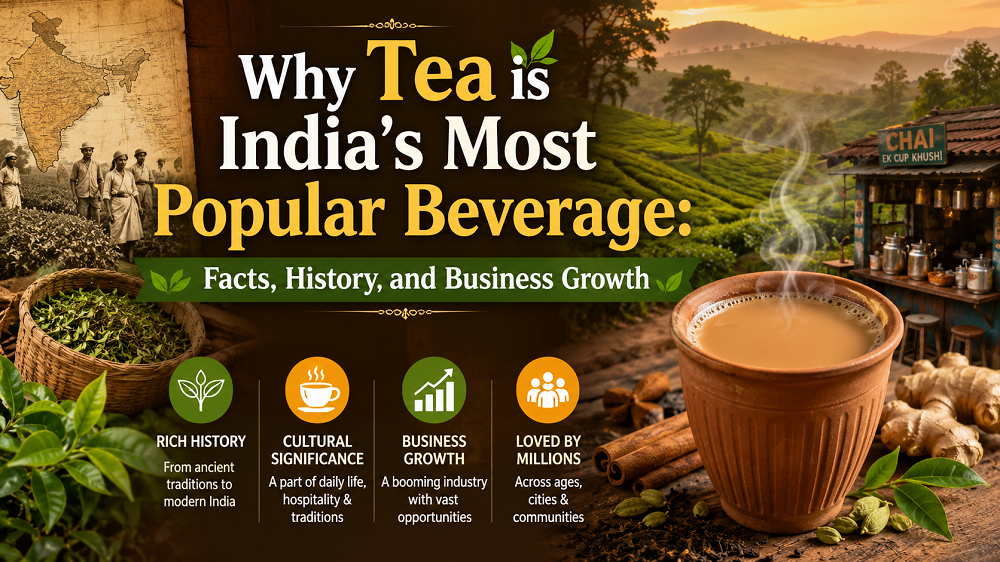
Tea is more than just a drink in India—it is a tradition, a daily ritual, and an important part of the country’s social and cultural identity. From busy railway stations and roadside tea stalls to modern cafés and premium tea lounges, tea is enjoyed by millions of people every day.
India is one of the world’s largest producers and consumers of tea. Whether it is a morning cup of masala chai, an evening tea break with friends, or a refreshing beverage during work hours, tea has become an inseparable part of everyday life. Its affordability, variety, and universal appeal have made it one of the most popular beverages across all age groups.
In recent years, the tea industry has experienced significant changes. Consumers are exploring premium teas, herbal infusions, and modern café experiences while maintaining a strong connection to traditional chai. This growing demand has also created exciting opportunities for entrepreneurs looking to enter the tea business.
This article explores the history of tea in India, the reasons behind its popularity, current industry trends, and why the tea business continues to grow.
The History of Tea in India
Tea has been associated with India for centuries, although its commercial cultivation began during the nineteenth century. The British introduced organized tea plantations in regions such as Assam and Darjeeling after discovering that local tea plants could be cultivated successfully.
Over time, tea production expanded to Nilgiris, Kangra, and several other regions. India gradually became one of the leading tea-producing countries in the world.
While commercial cultivation expanded through plantations, Indians developed their own unique tea culture. Instead of drinking plain tea, households began adding milk, sugar, ginger, cardamom, cloves, cinnamon, and other spices to create the famous masala chai that is now recognized worldwide.
Today, tea is available in almost every town and village, making it one of India’s most accessible beverages.
Why Tea Is So Popular in India
Affordable for Everyone
One of the biggest reasons behind tea’s popularity is its affordability. A cup of tea is available at almost every price point, making it accessible to students, office workers, travelers, and families alike.
Unlike many beverages, tea offers excellent value while providing comfort and refreshment.
A Daily Habit
For many Indians, the day starts with tea. Morning tea, afternoon tea, and evening tea have become common routines across households and workplaces.
Tea breaks also create opportunities for conversations, relaxation, and social interaction.
Available Everywhere
Tea can be found almost everywhere, including:
- Railway stations
- Bus stands
- Shopping streets
- Corporate offices
- Colleges
- Restaurants
- Cafés
- Hotels
- Residential neighborhoods
Its widespread availability contributes significantly to its popularity.
Tea and Indian Culture
Tea has become deeply connected with Indian hospitality. Offering guests a cup of tea is considered a warm gesture in many households.
Business meetings often begin with tea, families gather over evening chai, and friends frequently meet at local tea shops.
During festivals and celebrations, tea accompanies snacks and sweets, strengthening its role in everyday social life.
In many communities, tea shops also serve as gathering places where people discuss news, sports, politics, and local events.
Different Types of Tea Enjoyed in India
India offers an impressive variety of teas that cater to different tastes and preferences.
Masala Chai
Prepared with milk, tea leaves, sugar, and aromatic spices, masala chai remains one of India’s most loved beverages.
Black Tea
Known for its bold flavor, black tea is enjoyed both with and without milk.
Green Tea
Health-conscious consumers increasingly choose green tea because it contains antioxidants and fewer calories.
Herbal Tea
Herbal infusions made from tulsi, ginger, lemongrass, chamomile, peppermint, and hibiscus have become increasingly popular.
Lemon Tea
A refreshing beverage often consumed without milk and preferred by many during warmer months.
Kashmiri Kahwa
Prepared with saffron, almonds, and spices, Kahwa offers a unique flavor and cultural significance.
Health Benefits of Tea
Tea is appreciated not only for its taste but also for its potential health benefits when consumed in moderation.
Some commonly recognized benefits include:
- Rich in natural antioxidants
- Helps improve alertness
- Supports relaxation during breaks
- May aid digestion
- Encourages hydration
- Contains natural plant compounds
While tea can be part of a balanced lifestyle, individual dietary needs vary, and health advice should come from qualified professionals.
India’s Tea-Producing Regions
Several regions contribute to India’s reputation as a global tea producer.
Assam
Assam is famous for producing strong, full-bodied tea with a rich flavor.
Darjeeling
Often called the “Champagne of Teas,” Darjeeling tea is admired worldwide for its delicate aroma.
Nilgiris
Located in southern India, Nilgiri tea is known for its fragrant taste and year-round production.
Kangra
The Himalayan region produces distinctive teas appreciated by specialty tea enthusiasts.
Each region offers unique growing conditions that influence flavor, aroma, and quality.
Changing Consumer Preferences
Consumer preferences have evolved significantly over the past decade.
Today’s customers seek:
- Hygienic preparation
- Premium ingredients
- Innovative tea flavors
- Comfortable café environments
- Quick service
- Digital payment options
- Online ordering
- Sustainable packaging
Young consumers especially enjoy experimenting with flavored teas and café-style experiences while maintaining their appreciation for traditional chai.
Growth of Modern Tea Cafés
Traditional roadside tea stalls continue to thrive, but modern tea cafés have introduced a new way of experiencing tea.
These cafés often offer:
- Comfortable seating
- Air-conditioned spaces
- Premium tea varieties
- Snacks and light meals
- Free Wi-Fi
- Digital ordering
- Attractive interiors
The combination of affordability and café culture has helped tea cafés attract students, professionals, and families.
Technology Is Changing the Tea Business
Technology has transformed how tea businesses operate.
Modern tea shops increasingly use:
- Digital billing systems
- QR code payments
- Food delivery platforms
- Online customer reviews
- Loyalty programs
- Social media marketing
- Inventory management software
These tools improve customer convenience while helping businesses operate more efficiently.
Sustainability in the Tea Industry
Consumers are becoming more aware of environmental responsibility.
Many tea businesses now focus on:
- Eco-friendly packaging
- Paper cups
- Recyclable materials
- Reduced plastic usage
- Ethical sourcing
- Responsible waste management
Sustainability is becoming an important factor influencing customer choices.
Why the Tea Business Continues to Grow
Several factors continue to support the growth of India’s tea industry.
These include:
- Large consumer base
- Daily consumption habits
- Affordable pricing
- Expanding café culture
- Increasing urbanization
- Growing demand for specialty teas
- Food delivery services
- Rising interest in entrepreneurship
As lifestyles evolve, tea businesses continue adapting to meet changing customer expectations.
Future of Tea in India
The future of India’s tea industry appears promising.
Industry trends suggest increasing demand for:
- Organic tea
- Wellness beverages
- Premium tea blends
- Ready-to-drink tea
- Cold tea beverages
- Café-style tea experiences
- Health-focused products
Innovation, quality, and customer experience will continue shaping the industry’s growth in the coming years.
Frequently Asked Questions
Why is tea so popular in India?
Tea is affordable, widely available, culturally significant, and enjoyed by people of all age groups across the country.
Which state produces the most tea?
Assam is one of India’s largest tea-producing states and is known for its strong black tea.
Is tea healthier than soft drinks?
Tea generally contains fewer calories than sugary soft drinks, especially when consumed without excessive sugar.
What makes Indian tea unique?
Indian tea is known for its rich flavor, regional diversity, and the widespread popularity of masala chai prepared with spices and milk.
Why are tea cafés becoming more popular?
Tea cafés offer comfortable spaces, premium beverages, and modern customer experiences while keeping prices relatively affordable.
Conclusion
Tea has earned its place as India’s most popular beverage through a unique combination of tradition, affordability, and adaptability. From its historical roots in renowned tea-growing regions to its presence in almost every home, office, and street corner, tea continues to bring people together across generations.
As consumer preferences evolve, the tea industry is embracing innovation while preserving the timeless appeal of a simple cup of chai. Modern tea cafés, specialty teas, and digital business models are creating new opportunities, but the heart of the industry remains the same—serving quality tea that people enjoy every day.
For entrepreneurs interested in becoming part of this growing industry, understanding customer preferences, choosing the right business model, and offering a consistent experience are important steps toward long-term success.
If you’d like to learn more about starting a tea business, explore our guide on Tea Shop Franchise Bangalore: https://www.teaadda.co.in/tea-shop-franchise-bangalore. This resource provides information about franchise opportunities, business support, and what to expect when entering the tea café industry.
