
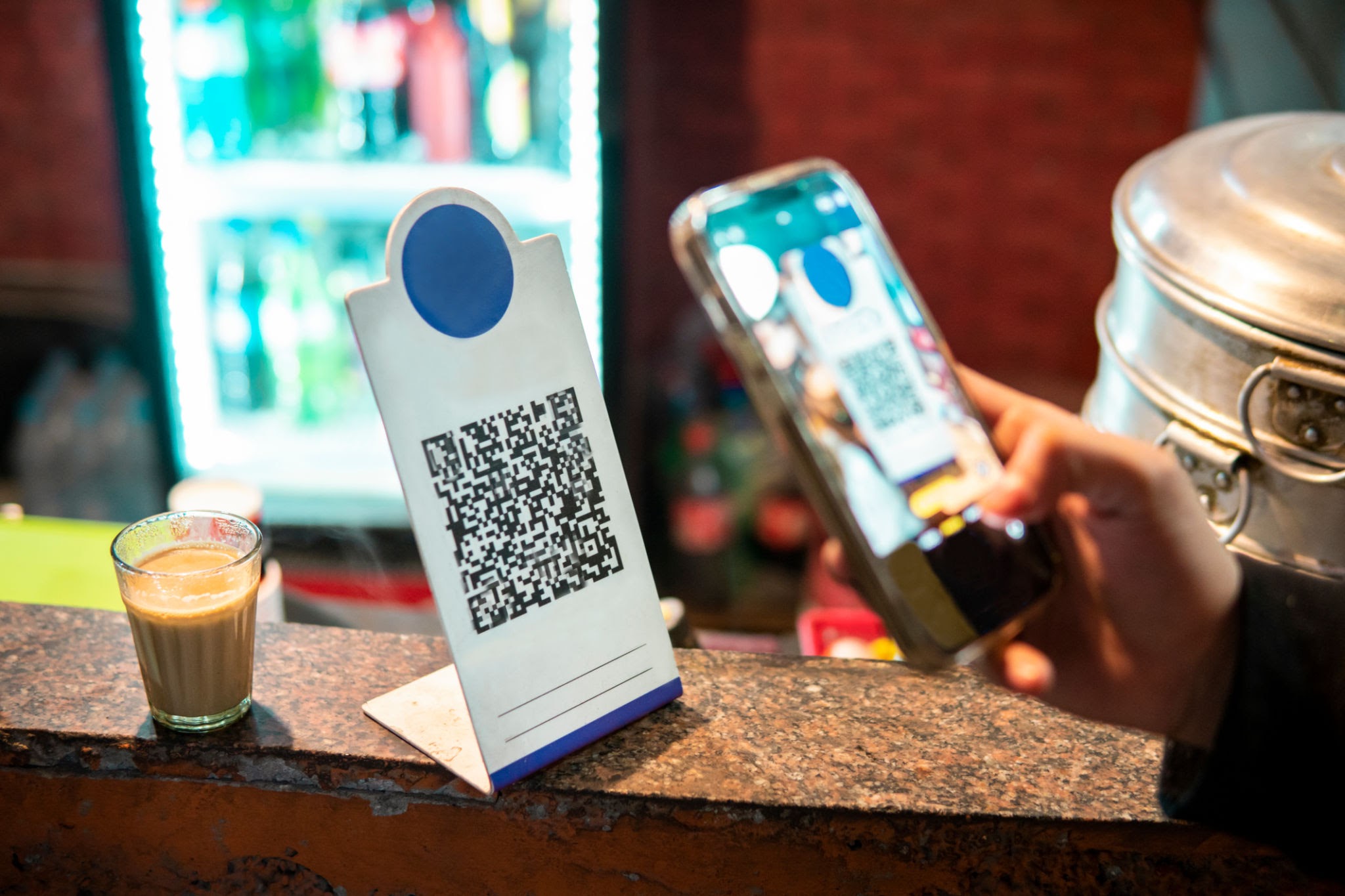
For decades, the traditional Indian tea stall operated almost entirely on loose cash. Customers fished in their pockets for ₹10 coins, vendors constantly scrambled to find exact change, and paper ledgers kept track of daily earnings. Today, even the most modest roadside tapri displays a QR code standee right beside the steaming kettle.
The Unified Payments Interface (UPI) and soundbox innovations have fundamentally reshaped how micro-entrepreneurs in the beverage sector run, scale, and formalize their businesses.
1. Zero Friction from the “Chutta” Problem
The biggest bottleneck for micro-ticket purchases—like a ₹10 cup of cutting chai or a ₹15 bun maska—was always physical change. A customer offering a ₹200 note for a quick tea often led to delays, awkward searches for change, or lost sales altogether.
Digital payments solved this instantly. Customers scan, pay the exact amount to the rupee, and leave within seconds. By accelerating counter throughput during morning and evening rush hours, tea stalls serve significantly more customers per hour.
2. Instant Verification via Soundbox Tech
When brewing dozens of cups of tea simultaneously, stopping to check a smartphone screen for transaction notifications was impractical. The arrival of cellular audio soundboxes solved this trust gap.
A clear, hands-free voice prompt announcing “Received 10 Rupees on Paytm” gives vendors immediate confidence without interrupting their workflow.
3. Financial Formalization and Credit Access
Historically, informal street vendors struggled to secure loans from formal banking institutions due to a lack of income records. Digital payments automatically generate a transparent, verifiable transaction trail.
Banks and non-banking financial companies (NBFCs) can now evaluate daily cash-flow patterns to grant micro-loans for shop upgrades, working capital, or equipment investments.
4. Simplified Supply Chain and Ledger Management
Instead of carrying physical cash to wholesale markets for tea leaves, milk, and sugar, vendors can transfer payments directly to distributors using digital gateways. This reduces the security risks associated with storing cash on-site and eliminates manual bookkeeping errors.
5. Driving the Rise of Modern Tea Franchises
Digital adoption has helped bridge the gap between traditional roadside stalls and organized retail. Standardized POS software, integrated QR payments, and digital inventory tracking have allowed local tea brands to transform into scalable, modern franchise models operating across major metro cities.
Start Your Own Tea Franchise
As the tea retail ecosystem expands into structured, high-margin storefronts, modern entrepreneurs have unprecedented opportunities to enter the market.
If you’re looking to launch a business in one of India’s fastest-growing retail hubs, explore complete setup support and business models with a Tea Shop Franchise Bangalore.
