
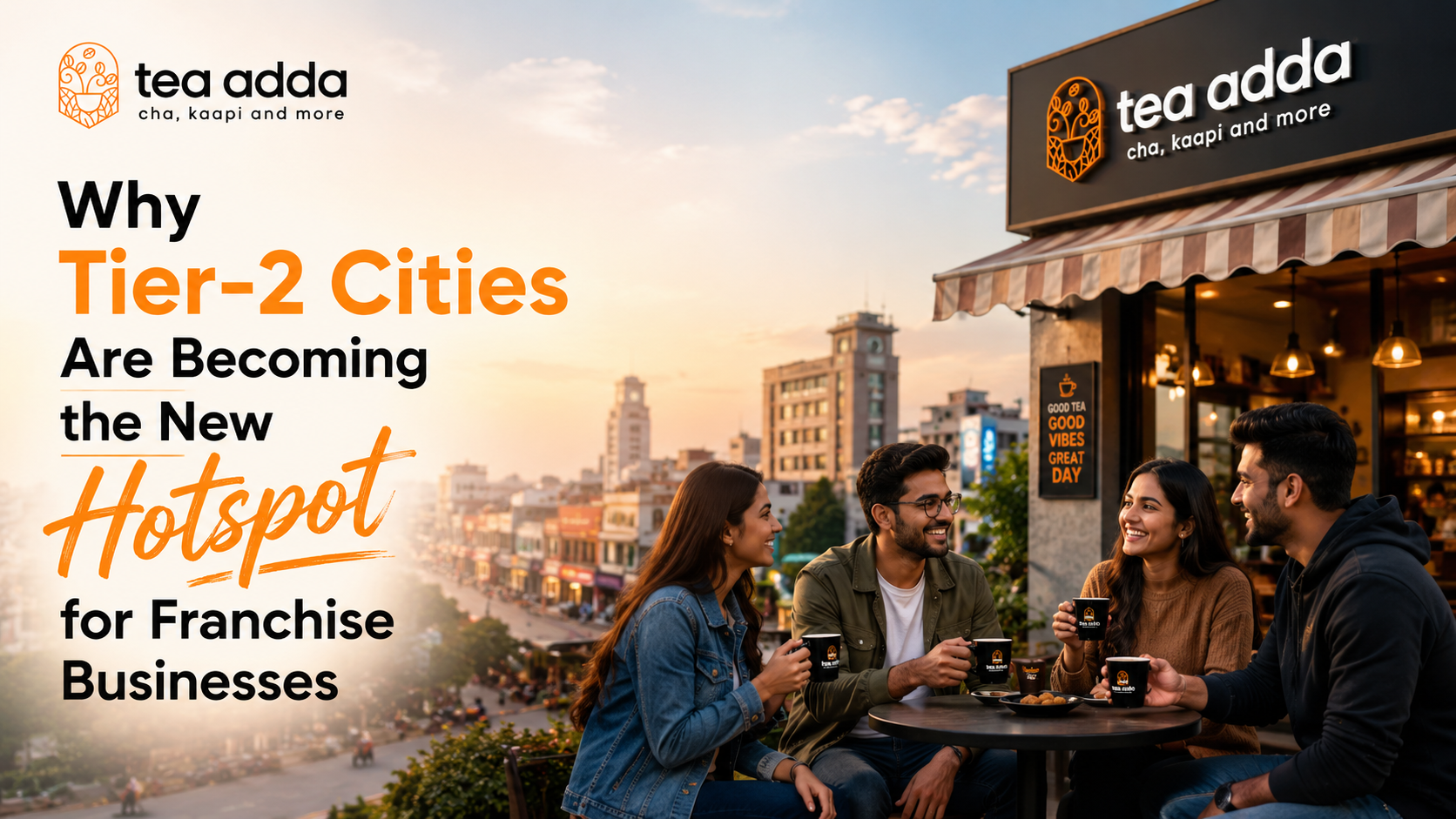
India’s business landscape is changing rapidly. While metropolitan cities like Bengaluru, Mumbai, Delhi, and Chennai have long been the preferred destinations for launching franchise businesses, a new trend is reshaping the market. Today, Tier-2 cities are emerging as the most promising locations for franchise expansion, offering entrepreneurs the perfect combination of affordability, growing consumer demand, and long-term business potential.
Cities such as Mysuru, Hubballi, Mangaluru, Coimbatore, Indore, Surat, Nagpur, Lucknow, Kochi, Vijayawada, and Jaipur are witnessing remarkable economic growth. With improved infrastructure, higher disposable incomes, and changing lifestyles, these cities have become ideal destinations for established franchise brands looking to expand their footprint. For aspiring business owners, investing in a franchise in a Tier-2 city is no longer just an opportunity—it is a strategic business decision.
Understanding the Rise of Tier-2 Cities
Over the past decade, India’s economic development has extended far beyond metropolitan regions. Government investments in highways, airports, smart city projects, digital infrastructure, and industrial development have transformed many Tier-2 cities into thriving business hubs.
At the same time, better educational opportunities and employment growth have increased the purchasing power of residents. Consumers today are more aware of branded products, premium services, and quality dining experiences than ever before. This shift in consumer behavior has opened the doors for franchise businesses across multiple industries.
Whether it is food and beverages, retail, education, healthcare, fitness, or beauty services, franchise brands are finding tremendous success in cities that were once considered secondary markets.
Lower Investment with Better Returns
One of the biggest advantages of starting a franchise in a Tier-2 city is the significantly lower cost of doing business.
Commercial spaces in smaller cities are generally available at much lower rental rates than those in metropolitan areas. Employee salaries, operational expenses, and utility costs are also comparatively lower. These reduced expenses allow business owners to invest more in customer experience, marketing, and business growth rather than spending a major portion of their budget on overhead costs.
Lower operating expenses also improve profit margins, making it easier for entrepreneurs to recover their initial investment within a shorter period.
Growing Middle-Class Population
The rise of India’s middle class has played a crucial role in the success of franchise businesses in Tier-2 cities.
With better employment opportunities, increasing salaries, and improved living standards, consumers now have higher disposable incomes. They are willing to spend on quality products, premium beverages, modern cafes, branded retail stores, and family dining experiences.
Unlike previous generations, today’s consumers actively seek trusted brands that deliver consistent quality and service. This growing demand creates a stable customer base for franchise businesses.
Less Competition Creates Greater Opportunities
Metro cities are often saturated with businesses offering similar products and services. New entrepreneurs entering these markets must compete with established brands, making customer acquisition expensive and challenging.
Tier-2 cities, on the other hand, still offer relatively untapped markets. Entrepreneurs who establish their franchise early often enjoy stronger brand recognition, higher customer loyalty, and greater market share before competitors enter the market.
Being among the first organized businesses in an emerging market provides a significant competitive advantage that can contribute to long-term success.
Improved Infrastructure Supports Business Growth
Modern infrastructure has transformed the way businesses operate in Tier-2 cities.
Improved roads, better transportation networks, expanding airports, reliable internet connectivity, and efficient logistics systems have made it easier than ever to manage franchise operations outside metropolitan areas.
Digital payment systems, online ordering platforms, and smartphone penetration have further simplified business management while enhancing customer convenience.
These developments have removed many of the traditional barriers that once discouraged businesses from expanding into smaller cities.
Changing Consumer Lifestyle
Consumer preferences in Tier-2 cities have evolved significantly over the last few years.
Young professionals, college students, families, and entrepreneurs are increasingly seeking modern experiences rather than simply purchasing products. Cafes, quick-service restaurants, branded food outlets, and lifestyle stores have become popular gathering places where people spend quality time with friends and family.
This lifestyle transformation has created enormous opportunities for franchise businesses that offer affordable, high-quality experiences in comfortable environments.
The Growing Success of Food and Beverage Franchises
Among all franchise sectors, food and beverage businesses have experienced some of the fastest growth in Tier-2 cities.
People today are willing to explore new cuisines, premium beverages, healthy snacks, and unique cafe experiences. Branded food businesses inspire greater trust because customers expect consistent quality, hygiene, and service standards.
As a result, many successful food franchise brands are expanding aggressively into emerging cities where demand continues to rise.
Why Tea Franchises Are a Smart Investment
Tea is deeply rooted in Indian culture and remains one of the country’s most consumed beverages. Millions of people begin their day with a cup of tea and continue enjoying it throughout the day during work breaks, social gatherings, and family conversations.
This consistent demand makes tea franchises one of the most stable business opportunities in the food and beverage industry.
Compared to large restaurants, tea cafes require lower investment, simpler operations, fewer employees, and smaller commercial spaces. They also attract repeat customers who visit regularly, creating predictable daily revenue.
A professionally managed tea franchise appeals to students, office workers, families, travelers, and local communities, ensuring steady customer traffic throughout the day.
Franchise Support Reduces Business Risk
Starting an independent business often involves uncertainty. Entrepreneurs must build a brand, develop systems, establish suppliers, and attract customers from scratch.
A franchise business eliminates many of these challenges by providing an already established business model. Franchise owners receive operational training, marketing support, branding assistance, supply chain management, and proven business strategies.
This support enables entrepreneurs to focus on delivering excellent customer service while benefiting from the reputation of an established brand.
Strong Community Relationships Build Long-Term Success
One of the unique strengths of Tier-2 cities is the close connection between businesses and their customers.
Satisfied customers frequently recommend their favorite businesses to friends, family members, and colleagues. Positive word-of-mouth marketing remains one of the most powerful tools for business growth in smaller cities.
By maintaining consistent quality, friendly service, and a welcoming atmosphere, franchise owners can build loyal customer relationships that contribute to sustainable long-term growth.
Future Growth Potential
Industry experts believe that the next decade of franchise expansion in India will be driven largely by Tier-2 and Tier-3 cities. As urban development continues and consumer spending increases, businesses that establish themselves early are likely to enjoy significant competitive advantages.
Entrepreneurs who invest today can benefit from expanding markets, lower operating costs, increasing customer demand, and scalable business opportunities.
Rather than competing in overcrowded metropolitan markets, many successful business owners are choosing emerging cities where long-term growth prospects remain exceptionally strong.
Conclusion
Tier-2 cities are no longer considered secondary markets. They have become vibrant business destinations with growing economies, expanding populations, and consumers who actively seek trusted brands and premium experiences.
For entrepreneurs looking to build a profitable business with lower investment and higher growth potential, franchising in a Tier-2 city offers an ideal opportunity. With affordable operational costs, increasing purchasing power, modern infrastructure, and less competition, these cities provide the perfect environment for sustainable business success.
If you are planning to enter the food and beverage industry, a tea franchise can be one of the smartest investments. It combines India’s timeless love for tea with a proven business model, recurring customers, and strong profit potential.
Ready to start your own tea franchise? Explore Tea Adda’s franchise opportunities and take the first step toward building a successful business:
https://www.teaadda.co.in/tea-shop-franchise-bangalore
